Loading...
LAMPA KIERUNKOWSKAZU 2BA Kody EAN: 4082300311969

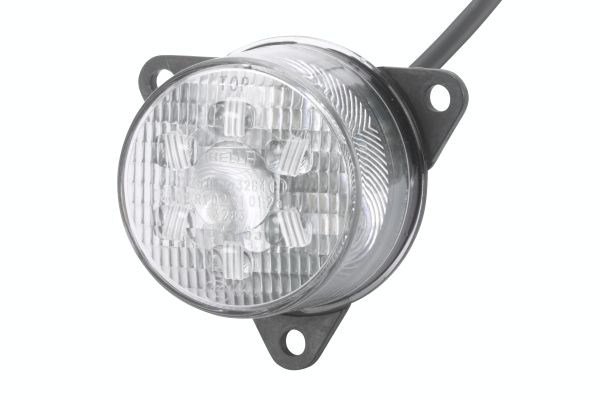
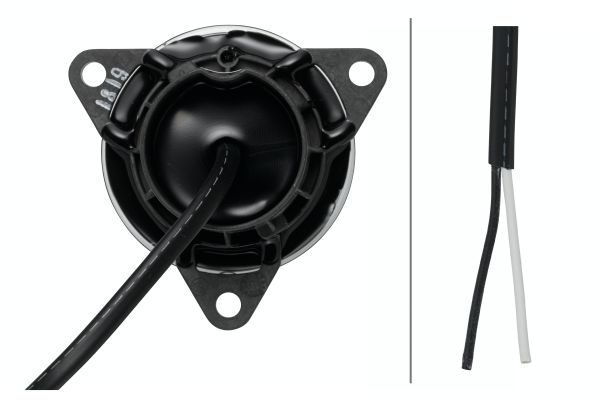
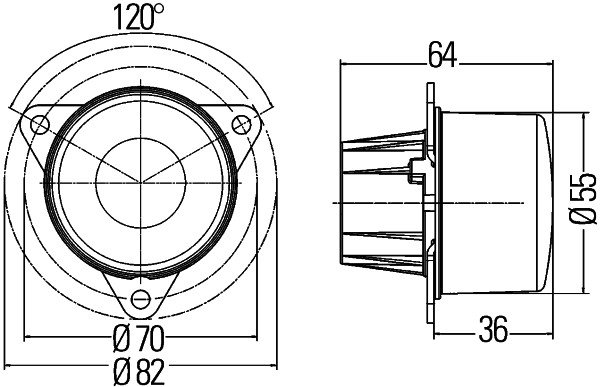
LAMPA KIERUNKOWSKAZU 2BA Kody produktu: HEL 2BA 011 172-011Kody EAN: 4082300311969
CENA:
Mag. główny:
0
Towar zamówiony do 14:00 będzie do odbioru po 16:00
Magazyn 4:
0
Magazyn 5:
0
Magazyn 6:
0
Magazyn 7:
0
Magazyn 8:
0
Magazyn 9:
0
| Sposób montażu | przykręcany |
| Sposób montażu | Oprawa |
| Strona zabudowy | z przodu |
| Rodzaj lampy | LED |
| Projekt lampy | LED |
| Napięcie [V] | 12 |
| Wysokość [mm] | 64 |
| Średnica [mm] | 55 |
| Długość przewodu [mm] | 500 |
| Rodzaj wtyczki | otwarte końcówki kabla |
| Kolor szkła reflektora | przezroczysty |
| Rodzaj zabezpieczenia (kod IP) | IP6K9K |
| spełnia wymagania Normy ECE | R6 |
| Ilość | 1 |
| Liczba funkcji świateł | 1 |
| Liczba diod LED | 3 |
| Artykuł uzupełniający / informacja uzupełniająca 2 | z kontrolą działania kierunkowskazów |
| Montaż/demontaż koniecznie do wykonania przez fachowców! |
Instruction 2 - Regarding single or double function lamps wi th LEDs without flasher function In connection with these low powers, which are very differen t from bulb versions, there can be problems during operation on various traction vehicles because further lighting functi ons are detected by some traction vehicles. This is a vehicle comfort function which is not required by legislation and does not release drivers from their obligati on to see for themselves that the lighting equipment is working . Here, too, faulty diagnoses can be a result of the lower pow er levels involved (instrument panel in the driver cab indic ates a bulb failure although the function is working). The functional ability of these light failure checks can onl y be established by the vehicle manufacturer. Operation of the light with alternating current or pulsed di rect current is not permitted! The individual light functions may only be operated with a v ehicle fuse of max. 3A. In the case of onboard current limitation with the values sp ecified above by the onboard control unit an additional fuse for the lamp is not required. Regarding single or double function lamps with LEDs without flasher function In connection with these low powers, which are very different from bulb versions, there can be problems during operation on various traction vehicles because further lighting functions are detected by some traction vehicles. This is a vehicle comfort function which is not required by legislation and does not release drivers from their obligation to see for themselves that the lighting equipment is working. Here, too, faulty diagnoses can be a result of the lower power levels involved (instrument panel in the driver cab indicates a bulb failure although the function is working). The functional ability of these light failure checks can only be established by the vehicle manufacturer. Operation of the light with alternating current or pulsed direct current is not permitted! The individual light functions may only be operated with a vehicle fuse of max. 3A. In the case of onboard current limitation with the values specified above by the onboard control unit an additional fuse for the lamp is not required.
AGCO:
72620190
FENDT:
72620190, G 530 811 440 020
Pokaż odpowiedniki
FENDT:
Vario (2010-09 » )
2BA 011 172-011HELLA
lampa kierunkowskazu